
FIDYA & KAFFARA

If you are unable to fast during Ramadan due to illness, pregnancy, travel, or other valid reasons, Fidya is required. If a fast is deliberately broken without a valid excuse, Kaffara becomes compulsory. Learn your responsibility and fulfil your duty with ease and clarity.

Iftar2
RAMADAN OBLIGATIONS

FIDYA & KAFFARA

Fidya and Kaffara ensure that missed fasts are compensated while supporting those in need. Your contribution provides meals to the poor and fulfills your religious responsibility in a meaningful way.

Fasting in Ramadan is obligatory for every eligible Muslim. If a fast is missed due to illness, travel, pregnancy or other valid reasons, Fidya must be paid.

By giving Fidya or Kaffara, you provide meals to the poor and ensure your obligation is completed

For deliberately breaking a fast without a valid reason, Kaffara becomes due.

Fidya Per Day
0 £
Make Amends

Fulfil Your Fidya or Kaffara

If you are unable to fast due to illness, pregnancy, travel, or other valid reasons, Fidya allows you to compensate by feeding those in need. If a fast is deliberately broken without a valid excuse, Kaffara must be paid by either fasting 60 consecutive days or feeding 60 people for each missed fast.

Raza foundation
Rf

RAMADAN COMPENSATION

Pay Fidya (Per Day)
39

RAMADAN COMPENSATION

Full Month Fidya

33

RAMADAN COMPENSATION

Kaffara

Image 14

Pay Fidya

For those unable to fast
£5 per day
Covers two meals for one person for one day.
If the entire month is missed, the total for 30 days is £150.
Image 15

Pay Kaffara

For deliberately missed fasts
Feed 60 people or fast 60 consecutive days.
At £5 per person, the total is £300 per missed fast.

RAMADAN OBLIGATIONS

Fidya & Kaffara Payments

Fidya – Per Day

£ 5 / day

Badge.png

Full Month Fidya

£ 150 / Ramadan

Kaffara – Per Missed Fast

£300

40
OUR RESPONSIBILITY

DELIVERING FIDYA & KAFFARA WITH DIGNITY

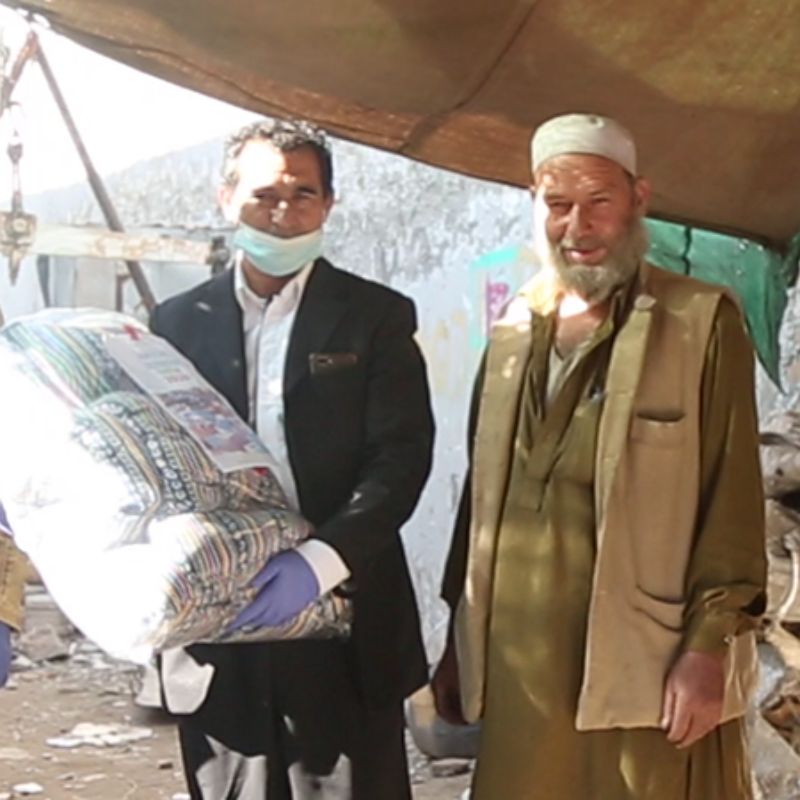
Every Fidya and Kaffara payment is carefully distributed to those most in need. We ensure that your compensation reaches vulnerable families, providing essential meals and support during Ramadan and beyond.

Meals Distributed to the Needy 92%
Ramadan Support Coverage 85%
Direct Community Distribution 100%

Fidya Distribution

Providing two meals per person for each missed fast.

Kaffara Fulfilment

Feeding 60 people for every deliberately missed fast.

Local Partnerships

Working with trusted community networks.

Transparent Process

Clear reporting and responsible allocation.

Fidya and Kaffara Guidance

If you are unable to fast due to your age or a medical condition, then a 60-day continuous fast may not an option. This is a situation where you would make Fidya payments of £5 per missed day – though this can be completed in a single bulk payment if you know you will be missing multiple days.

If you are legitimately sick and have been advised against fasting by a medical professional, missing your fast can be repaid in the form of £5 Fidya payments per missed day. On the other hand, if you are sick but still capable of fasting safely and choose not to fast, you must pay Kaffara by completing 60 days of continuous fast or donating funds to feed 60 people in need, per missed fast.

If you begin your Kaffara on the first day of the Islamic month, then fasting continuously for two full Islamic months will suffice for the Kaffara.

The only exceptions for Kaffara are valid medical reasons, such as medical conditions, pregnancy, breastfeeding or travelling. Any woman that deliberately misses a fast and chooses a continuous 60-day fast to make it up is allowed to postpone fasting days for menstruation, however, this is the only interruption allowed.

Fasting during Ramadan is an obligation on all able Muslims and is one of the Five Pillars of Islam, along with faith, prayer, alms (charity giving) and pilgrimage. Abstaining between the hours of sunrise and sunset allows for a period of spiritual reflection and improvement of the self as well as the practising self-discipline and control.

During this time, Muslims are able to develop a closer relationship with Allah (SWT) and feel more connected with both family and Islam.

By missing one of these fundamental aspects of Islam, whether with a valid reason or not, Muslims are obligated to pay Kaffara or Fidya. Charity, as well as compulsory payments like these, emphasise just what an important aspect of Islam the holy month of Ramadan is.

The cost of Fidya is calculated based on the cost of feeding a person two meals per day of wheat, rice or other local staple crop where the donor resides.

16